
A Comprehensive Guide to Keeping Your Family Safe
Electricity powers our homes and lives, from lighting rooms to running appliances and charging devices. While essential, it also comes with potential hazards if not properly managed. Electrical issues can lead to fires, shocks, and even fatalities. At GloversPro, we prioritize the safety of your home, and in this guide, we’ll walk you through crucial electrical safety tips to protect your home and family.
Why Electrical Safety is Important
Electrical fires account for tens of thousands of house fires each year, causing billions in property damage, injuries, and even fatalities. Most of these incidents are preventable with proper awareness and maintenance. Electrical problems can stem from worn-out wiring, overloaded circuits, or misuse of appliances, all of which can lead to devastating fires or electrocutions.
Ensuring your home’s electrical system is safe and following basic electrical safety guidelines can dramatically reduce the risk of accidents. Here’s how to keep your home’s electrical system functioning safely and efficiently.
Step 1: Understand Your Home’s Electrical System
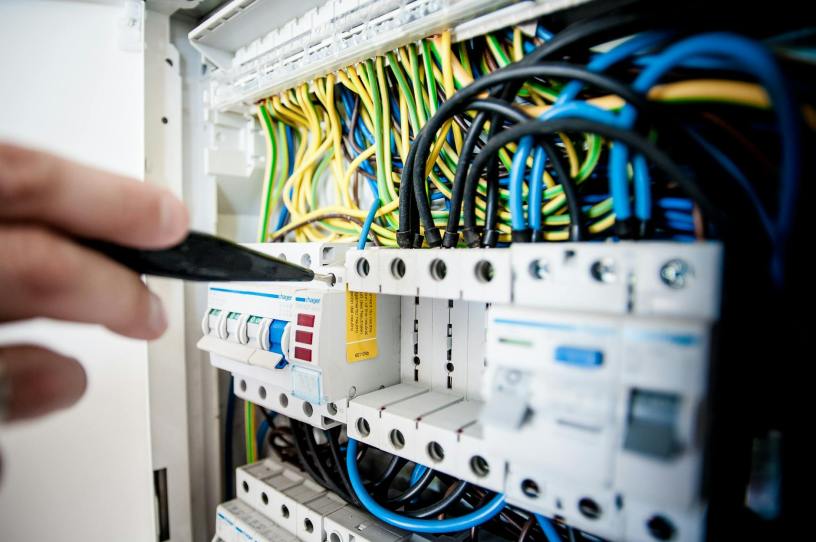
Before diving into electrical safety tips, it’s helpful to understand the basics of your home’s electrical system. Every home is powered by a system of circuits connected to a central electrical panel, where circuit breakers control the flow of electricity. Knowing where your panel is located and how to turn off the power can be crucial in emergencies.
- Circuit Breakers: If a circuit becomes overloaded, the breaker will trip, cutting off electricity to prevent overheating and fires. Understanding how to reset a tripped breaker is essential, but if it frequently trips, it may be a sign of a more significant issue that needs professional attention.
- GFCI Outlets: Ground fault circuit interrupter (GFCI) outlets are required in areas with water exposure, such as kitchens, bathrooms, garages, and outdoor spaces. These outlets shut off power automatically if they detect an imbalance in the electrical current, reducing the risk of shock.
- AFCI Protection: Arc fault circuit interrupters (AFCIs) protect against dangerous electrical arcs that can lead to fires. Modern electrical systems often include AFCI protection in areas like bedrooms and living rooms, but older homes may not have this safety feature.
Step 2: Inspect Electrical Cords and Appliances
One of the simplest yet most effective ways to ensure electrical safety is to inspect your appliances and their cords regularly. Damaged, frayed, or worn-out cords can cause electrical shorts, leading to sparks, shocks, or fires.
- Check for Frayed Wires: Inspect all cords for signs of wear, such as fraying or cracking. If you notice any damage, stop using the appliance or device immediately, and either replace the cord or the appliance.
- Don’t Use Damaged Extension Cords: Extension cords are commonly used in households, but they are not designed for long-term use. Never use a damaged or frayed extension cord. If you need more outlets, consider having additional ones installed by a licensed electrician instead of relying on extension cords.
- Avoid Pinching Cords: Don’t run cords under rugs, carpets, or furniture, as this can damage them and prevent you from seeing wear and tear. Pinched cords can overheat or short-circuit, increasing the fire risk.
- Unplug Appliances When Not in Use: When appliances like toasters, kettles, or irons aren’t in use, unplug them. Many devices continue to use electricity even when turned off, and unplugging them can reduce the risk of overheating and conserve energy.
Step 3: Avoid Overloading Circuits and Outlets
Overloading circuits is a common cause of electrical fires. This occurs when too many appliances are connected to one outlet or power strip, exceeding the outlet’s capacity and causing overheating. To avoid overloading:
- Use Power Strips with Surge Protectors: Plugging multiple devices into one outlet without a surge protector can lead to overheating and fire risks. Use power strips with built-in surge protection and avoid overloading them with high-power appliances like microwaves, heaters, or refrigerators.
- Distribute the Load: Spread out the electrical load by plugging devices into different outlets. Don’t plug multiple high-wattage appliances (such as space heaters, hairdryers, or air conditioners) into the same outlet.
- Know the Wattage Limits: Most outlets and extension cords have wattage limits. Exceeding this limit can lead to overheating and fires. Check the wattage requirements of your appliances, and ensure they don’t exceed the limits of your outlet or extension cord.
- Install More Outlets If Needed: If you find yourself constantly relying on extension cords and power strips, it may be a sign that your home needs more outlets. Contact an electrician to install additional outlets in high-use areas.
Step 4: Use Space Heaters Safely
Space heaters are a common cause of home fires, especially during the colder months. If you use space heaters, it’s important to follow strict safety guidelines to prevent accidents:
- Keep Space Heaters Away from Flammable Materials: Place heaters at least three feet away from curtains, bedding, furniture, or other flammable materials. Always ensure that the heater is on a flat, stable surface to prevent it from tipping over.
- Turn Off When Unattended: Never leave a space heater running when you leave the room or go to bed. Always turn it off and unplug it when it’s not in use.
- Use Heaters with Automatic Shut-Offs: Choose space heaters with built-in safety features like automatic shut-offs, which will turn the heater off if it tips over or overheats.
Step 5: Avoid Water and Electricity Contact
Water is a conductor of electricity, making the combination of the two extremely dangerous. Electrical accidents often occur in areas like kitchens, bathrooms, and outdoor spaces where water is present. Follow these precautions to stay safe:
- Install GFCI Outlets: Ensure that all outlets near water sources (like sinks, bathtubs, and outdoor areas) are equipped with GFCI outlets. These outlets shut off automatically when they detect a ground fault, protecting you from electric shocks.
- Keep Electrical Devices Dry: Never use electrical appliances, such as hairdryers, shavers, or radios, near water. Be mindful of keeping all electronics away from wet countertops, sinks, or bathtubs.
- Avoid Using Extension Cords Outdoors in Wet Conditions: If you need to use an extension cord outdoors, make sure it is rated for outdoor use, and never use it in wet conditions. Water exposure can cause short-circuiting or even electrocution.
- Turn Off the Power Before Fixing Water Leaks: If you’re dealing with water leaks near electrical systems, such as near light fixtures or outlets, always turn off the power at your electrical panel before attempting repairs. Contact a professional if water is close to electrical wiring.
Step 6: Childproof Electrical Outlets
Children are naturally curious and may attempt to insert objects into electrical outlets, leading to serious injury or shock. Childproofing your outlets can prevent these accidents.
- Use Outlet Covers: Install tamper-resistant outlet covers in all accessible outlets to prevent children from inserting objects into them.
- Keep Cords Out of Reach: Place cords out of children’s reach, and never leave dangling cords that could be pulled on. This prevents not only electrical hazards but also accidents from appliances being pulled off surfaces.
- Educate Your Children: Teach your children about the dangers of electricity from a young age. Explain that outlets, cords, and electrical devices are not toys and should never be played with.
Step 7: Know When to Call a Professional
While there are many ways to ensure electrical safety at home, some issues require the expertise of a licensed electrician. Knowing when to call a professional can prevent serious accidents or further damage to your home’s electrical system.
- Frequent Tripping of Circuit Breakers: If your circuit breaker trips frequently, it could indicate an overloaded circuit or a more serious electrical problem. Don’t continue resetting it without investigating the cause—contact an electrician to assess the situation.
- Flickering or Dimming Lights: Flickering or dimming lights can be a sign of an overloaded circuit, faulty wiring, or other electrical problems. Have an electrician evaluate your wiring to determine the cause.
- Burning Smell or Scorch Marks: If you notice a burning smell, scorch marks around outlets, or hot outlets, this is a serious sign of electrical failure and an increased fire risk. Turn off the power to that area and call a professional immediately.
- Old or Outdated Wiring: If your home is more than 30 years old, you may have outdated wiring that doesn’t meet current safety standards. An electrician can inspect your wiring and make necessary updates to ensure your home is safe.
Step 8: Install and Test Smoke Alarms
Properly installed and functioning smoke alarms are essential for detecting electrical fires before they get out of hand. Smoke alarms can give you early warning, allowing you and your family to evacuate safely.
- Install Smoke Alarms on Every Level: Ensure that smoke alarms are installed on every level of your home, inside bedrooms, and outside sleeping areas. These alarms can detect electrical fires before they become a major threat.
- Test Smoke Alarms Monthly: Regularly test your smoke alarms by pressing the test button. Replace the batteries at least once a year, and replace the entire smoke alarm unit every 10 years.
Protect Your Home and Family with Electrical Safety
Electrical safety is a critical aspect of maintaining a safe and secure home. From inspecting cords and appliances to avoiding overloaded circuits and keeping water away from electricity, following these basic guidelines can prevent dangerous accidents.
 GloversPro