
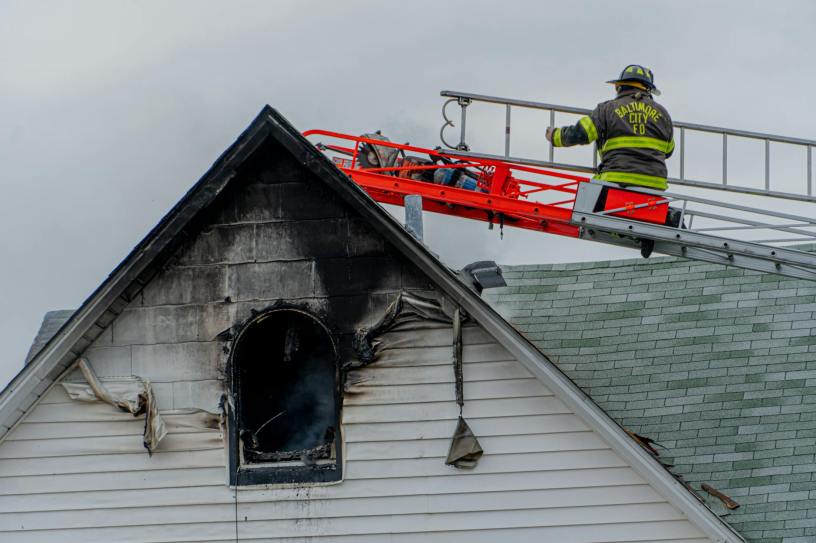
Fire is one of the most destructive forces that can affect a home, and it can spread rapidly, causing extensive damage and putting lives at risk. While it’s impossible to completely eliminate the risk of fire, taking proactive steps can drastically reduce the likelihood of a fire occurring in your home and help ensure that you and your family are prepared to respond if one does. At GloversPro, we prioritize home safety, and we’re here to guide you through essential fire prevention and safety tips to protect your home and loved ones.
Why Fire Prevention is Critical
Fires can start in an instant, whether from a cooking mishap, an electrical fault, or an unattended candle. Once a fire starts, it can spread rapidly through your home, leaving little time to react. House fires account for thousands of deaths and billions in property damage each year. But many of these incidents are preventable. By understanding common fire risks and implementing effective fire safety practices, you can significantly reduce the danger of fire in your home.
Step 1: Install and Maintain Smoke Alarms
One of the most effective ways to protect your home from fire is to install smoke alarms. These devices provide early detection, giving you crucial time to evacuate before the fire spreads. Here are some important tips for installing and maintaining smoke alarms:
- Placement: Install smoke alarms on every level of your home, inside each bedroom, and outside sleeping areas. Don’t forget to place them in high-risk areas like the kitchen, garage, and basement.
- Testing: Test smoke alarms at least once a month to ensure they’re working properly. Simply press the test button to check the alarm sound. If the alarm doesn’t sound or the sound is faint, replace the batteries immediately.
- Battery Replacement: Replace smoke alarm batteries at least once a year, or as soon as you hear the “chirping” sound indicating low battery power. A good rule of thumb is to replace the batteries when you change your clocks for daylight saving time.
- Upgrade to Dual-Sensor Alarms: Consider installing dual-sensor smoke alarms that combine ionization and photoelectric technologies. Ionization alarms are better at detecting fast-flaming fires, while photoelectric alarms are more responsive to slow, smouldering fires.
Step 2: Install Carbon Monoxide Detectors
While carbon monoxide (CO) is not a fire-related hazard, it’s another serious risk that can be mitigated with proper detection. Carbon monoxide is a colourless, odourless gas that can be deadly if inhaled in large amounts. CO detectors should be installed in key areas, including near bedrooms and on every level of your home. These devices can alert you to the presence of CO, often caused by faulty appliances or poor ventilation, allowing you to evacuate and get to safety.
Step 3: Practice Safe Cooking Habits
Cooking is the leading cause of home fires and fire-related injuries. To minimize the risk of a kitchen fire, it’s important to practice safe cooking habits:
- Never Leave Cooking Unattended: Stay in the kitchen while you’re frying, grilling, or broiling food. If you must leave the room, turn off the stove. For foods that take longer to cook, like stews or baked dishes, use a timer to remind yourself to check on them.
- Keep Flammable Items Away from Heat Sources: Keep dish towels, paper towels, pot holders, and other flammable materials away from the stovetop. Additionally, avoid wearing loose-fitting clothing that could come into contact with the stove or other heat sources.
- Be Cautious with Cooking Oils: Cooking with oil can be dangerous, as oils can quickly reach high temperatures and ignite. If an oil fire occurs, never use water to put it out—this can cause the fire to spread. Instead, turn off the heat and cover the pan with a metal lid or use a fire extinguisher rated for grease fires.
- Install a Kitchen Fire Extinguisher: Keep a fire extinguisher in or near your kitchen, and make sure everyone in the household knows how to use it. A small fire extinguisher can stop a minor fire before it becomes a major disaster.
Step 4: Heat Your Home Safely
During the colder months, heating equipment like space heaters and fireplaces can pose a significant fire risk if not used properly. Follow these guidelines to stay safe while heating your home:
- Space Heaters: If you use space heaters, always place them on a flat, non-flammable surface like tile or hardwood, and keep them at least three feet away from curtains, furniture, and bedding. Never leave a space heater running when you leave the room or go to sleep.
- Fireplace Safety: If you have a wood-burning fireplace, ensure it’s properly maintained by having your chimney cleaned and inspected annually. Always use a fireplace screen to prevent sparks and embers from escaping, and never leave a fire unattended. Be sure to fully extinguish the fire before going to bed or leaving the house.
- Furnaces and Central Heating: Schedule an annual inspection of your furnace or central heating system to ensure it’s functioning properly and doesn’t pose a fire risk.
Step 5: Handle Electrical Appliances and Wiring Safely
Faulty electrical appliances and wiring are common causes of home fires, particularly in older homes where the wiring may not meet modern safety standards. Here are a few steps to reduce the risk of electrical fires:
- Check Cords and Outlets: Regularly inspect cords and outlets for signs of wear, such as fraying, cracks, or exposed wires. If you notice any damage, stop using the appliance and replace the cord or have the appliance repaired by a professional.
- Don’t Overload Outlets: Avoid overloading electrical outlets by plugging in too many devices at once. Use power strips with built-in surge protection and make sure not to exceed the manufacturer’s load rating.
- Unplug Small Appliances When Not in Use: Small kitchen appliances, such as toasters, coffee makers, and blenders, should be unplugged when not in use to prevent electrical fires.
- Upgrade Old Wiring: If your home’s wiring is outdated, consider upgrading it to meet current safety standards. A licensed electrician can inspect your system and recommend any necessary improvements.
Step 6: Use Candles Safely
Candles add a warm and cozy ambiance to any room, but they can also be a fire hazard if not used properly. To reduce the risk of a candle fire:
- Keep Candles Away from Flammable Items: Always place candles on stable surfaces and keep them at least a foot away from curtains, bedding, books, and other flammable materials.
- Never Leave Candles Unattended: Extinguish candles before leaving the room or going to bed. If you’re using candles during a power outage, consider using battery-operated candles instead.
- Use Candle Holders: Always use candle holders that are sturdy and won’t tip over easily. Ensure the holder is heat-resistant and designed to contain any melted wax.
- Keep Candles Out of Reach of Children and Pets: Children and pets can accidentally knock over candles or come into contact with the flame, so keep them in a safe, elevated place.
Step 7: Create a Fire Escape Plan
Even with the best fire prevention practices, accidents can still happen. That’s why it’s crucial to have a fire escape plan in place and make sure your family is familiar with it. Here’s how to create a fire escape plan:
- Identify Exits: Ensure that every room in your home has at least two ways to exit, such as doors or windows. Make sure windows can be opened easily and are not blocked by furniture or other obstacles.
- Designate a Meeting Spot: Choose a safe place outside your home where everyone will meet in the event of a fire. This could be a neighbour’s yard or a nearby landmark.
- Practice Regularly: Conduct fire drills with your family at least twice a year to ensure everyone knows how to get out of the house quickly and safely. Teach children how to crawl low to the ground to avoid smoke and how to use the back of their hand to test doors for heat.
- Stay Out Once You’re Out: Once you’ve safely exited your home during a fire, never go back inside for any reason. Call 911 immediately and let the fire department handle the situation.
Step 8: Invest in a Home Fire Extinguisher
A home fire extinguisher is one of the most effective tools for putting out small fires before they escalate. Fire extinguishers are especially useful for kitchen fires, electrical fires, and small flames that haven’t yet spread. Here are some tips for using and maintaining a fire extinguisher:
- Know How to Use It: The acronym “PASS” is a helpful way to remember how to operate a fire extinguisher:
- Pull the pin.
- Aim the nozzle at the base of the fire.
- Squeeze the handle.
- Sweep the nozzle from side to side.
- Place Extinguishers Strategically: Keep fire extinguishers in easily accessible locations, particularly in the kitchen, garage, and any other areas with potential fire hazards.
- Check Extinguisher Expiration Dates: Fire extinguishers have expiration dates, so check them regularly and replace them as needed. Make sure the pressure gauge shows that the extinguisher is fully charged.
Prevention is Key
Fire prevention and safety are vital for every homeowner. By following these simple yet effective fire safety tips—such as installing smoke alarms, practicing safe cooking, handling electrical appliances safely, and using candles safely, You limit your chance of experiencing a fire emergency at home.
 GloversPro